
AI JOURNAL
Field notes from production.
What we learn shipping data platforms, BI migrations and AI agents for real enterprises. Written by the people doing the work.
The DataFactZ AI Journal publishes field notes on data platforms, BI migrations and enterprise AI agents, written by the engineers and consultants doing the work.
27 articles in the archive
 Business IntelligenceYour Power BI Model Is About to Answer Questions in ChatGPT. Is It Ready?Four things break first when Power BI models answer questions in Copilot, ChatGPT and Claude: unclear measure names, duplicate definitions, rules stuck in reports and untested security. What to check for each.Ashadeepthi Kobbari
 Data AnalyticsYour Lakehouse Bill Doubled and Nobody Changed the WorkloadFour things drive a lakehouse bill up with no workload change: idle compute, small files, stale partitioning, capacity overruns. What to check for each one.DataFactZ Team
 Data AnalyticsA Hallucinated Package in Your Notebook Is Not a Code ProblemSlopsquatting guidance assumes a repo, a lockfile, and a scanner. Your notebooks have none of those, and the cluster running them holds the catalog credential.Satya Vuddagiri
 Business IntelligenceTableau to Microsoft Fabric: Migrate the Model, Not the WorkbooksA Tableau to Power BI migration plan built on workbook counts prices the wrong work. Here is what breaks in delivery and why the semantic model comes first.DataFactZ Team
 Artificial IntelligenceBuilding the Agent Got Cheap. Feeding It Didn't.OpenAI's Agents API makes orchestration a rented commodity. The expensive part of an enterprise agent was never the harness. It's the data sitting underneath.Satya Vuddagiri
 Data AnalyticsSelf-Healing Dashboards: Detecting and Fixing Broken Analytics Before Anyone NoticesHow self-healing dashboards use data observability, schema drift detection, and automated remediation to prevent broken analytics in Power BI and Microsoft Fabric environments.DataFactZ Team
 Business IntelligenceWhy BI Migration Tools Matter — And How We Built OneEvery enterprise analytics team eventually hits the same wall: how do you move from one BI platform to another without losing everything you've built?
Historically, the answer has been painful. Rebuild everything by hand. Slow timelines, escalating costs, and the very real risk of losing years of accumulated logic calculated fields, data relationships, business definitions that teams have quietly refined over time.Bhavana Chinnabalanagar
 Industry InsightsFrom Metrics to Meaning: AI-Driven Health Reporting for SQL Server & Azure Data Factory with Claude CoWorkClaude CoWork turns SQL Server and Azure Data Factory telemetry into an executive-ready health report in under 90 seconds — automatically, every morning. See how Datafactz deploys itDataFactZ Team
 Data AnalyticsKiro + Strategy One: AI-Driven BI Pipeline Integration GuideDiscover how Kiro and MicroStrategy Strategy One work together to deliver AI-driven BI pipelines 10x faster — with spec-driven Python development, automated testing, and governed analytics.Shashi Kumar Parvathaneni
 Business IntelligenceBeyond Built-In: How Custom Power BI Visuals Fix What Standard Charts Can'tPower BI’s standard visuals are effective for basic reporting but fall short when handling multi-metric comparisons, dense data views, and advanced visual storytelling. We addressed these limitations by designing custom visuals that combine multiple metrics, trends, and context into a single, clear view. By enhancing charts, tables, and KPI cards with embedded visuals, flexible layouts, and better highlighting, we reduced clutter and improved usability. This approach eliminates the need to switch between multiple reports and enables faster, more intuitive decision-making. Overall, the focus shifted from just displaying data to delivering insights in a more meaningful and actionable way.Shashi Kumar Parvathaneni
 Artificial IntelligenceFrom Automated to Adaptive: How AI-Powered DevOps Transforms Platform EngineeringMature pipelines, Solid automation, Observability in place and yet still reactive. Here's how one platform engineering team moved beyond automation to build a system that learns, predicts, and adapts.Bhargav Mekala
 Business IntelligenceModernizing BI: The Shift from MicroStrategy to Power BIAt 300–500+ reports, migration risk isn't missed visuals — it's misinterpreted logic. Here's how a hybrid deterministic plus AI engine converts MicroStrategy metadata into deployable Power BI models with full traceability.NagaDurga
 Business IntelligenceBeyond Dashboards: Why BI in 2026 Is About Decisions, Not ReportsBusiness Intelligence was built to show you what happened. In 2026, that is no longer enough. The organizations pulling ahead are not the ones with the best dashboards — they are the ones whose data tells them what to do next. This article explores how AI is transforming BI from a reporting layer into a decision-intelligence layer, and what that shift means for your data strategy.GuruChandra
 Artificial IntelligenceEvaluation-Driven LLM Development: Stop Shipping Without MeasuringLarge Language Models are entering production environments faster than teams can properly evaluate them. “It looks right” is not a testing strategy. This article outlines best practices for LLM evaluation, including AI testing pipelines, prompt regression testing, and drift monitoring turning experimental AI into measurable, production-ready systems.Haswanth Rajesh
 Business IntelligenceThe Semantic Layer Is Your AI’s Best Friend: Why It Matters More Than EverAI is only as smart as the data it reasons over. A well-built semantic layer transforms chaotic enterprise data into consistent KPI definitions, rich metadata, and governed access giving your AI agents the foundation they need to deliver real, trusted business value.Yashaswini Ramasahayam
 Business IntelligenceThe Analytics Inflection Point: Why Enterprises Are Migrating from Spotfire to Power BIFor more than a decade, TIBCO Spotfire has served as a strong analytical workbench for organizations that value deep data discovery. However, enterprise analytics strategy is undergoing a seismic shift: business users want self-service, IT wants governance, finance wants predictable cost, and executives want AI-driven insights—without fragmented tool stacks or expensive licensing structures.
This inflection point is driving enterprises to reassess their BI investments and modernize legacy analytics platforms. Among modern BI platforms, Microsoft Power BI has emerged as the strategic choice—especially for enterprises standardizing on Azure, Microsoft Fabric, and Microsoft 365.Sheshanka Joopalli
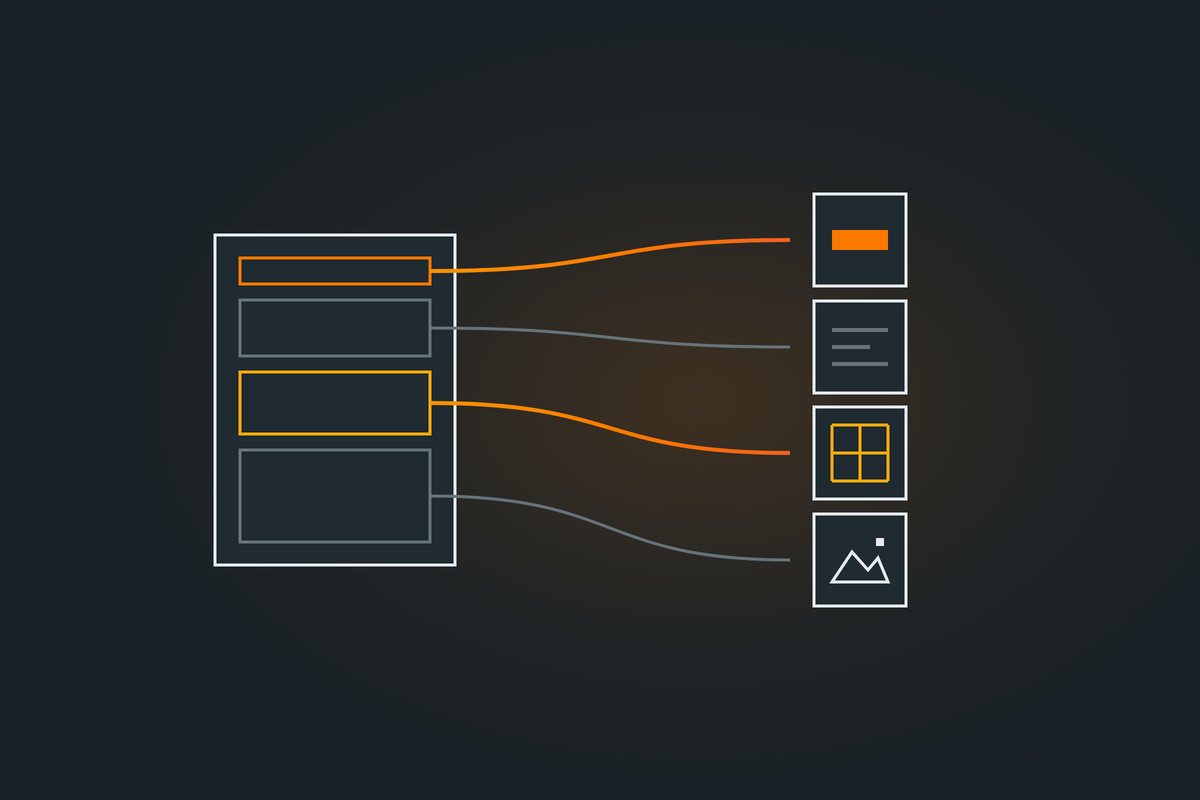 Artificial IntelligenceThe End of One-Size-Fits-All: Why Document Processing is Going Modular in 2026Most companies still use a single AI model to process entire documents—headers, tables, signatures, everything. That's changing fast. The new approach? Break documents into parts and route each piece to a specialized model. It's cheaper, more accurate, and it's happening right now.Satya Vuddagiri
 Artificial IntelligenceVector Databases: Powering Next-Generation Enterprise AI ApplicationsAs enterprises race to implement AI applications—from semantic search to recommendation systems, from RAG to fraud detection—they're discovering a critical infrastructure gap: traditional databases we...Satya Vuddagiri
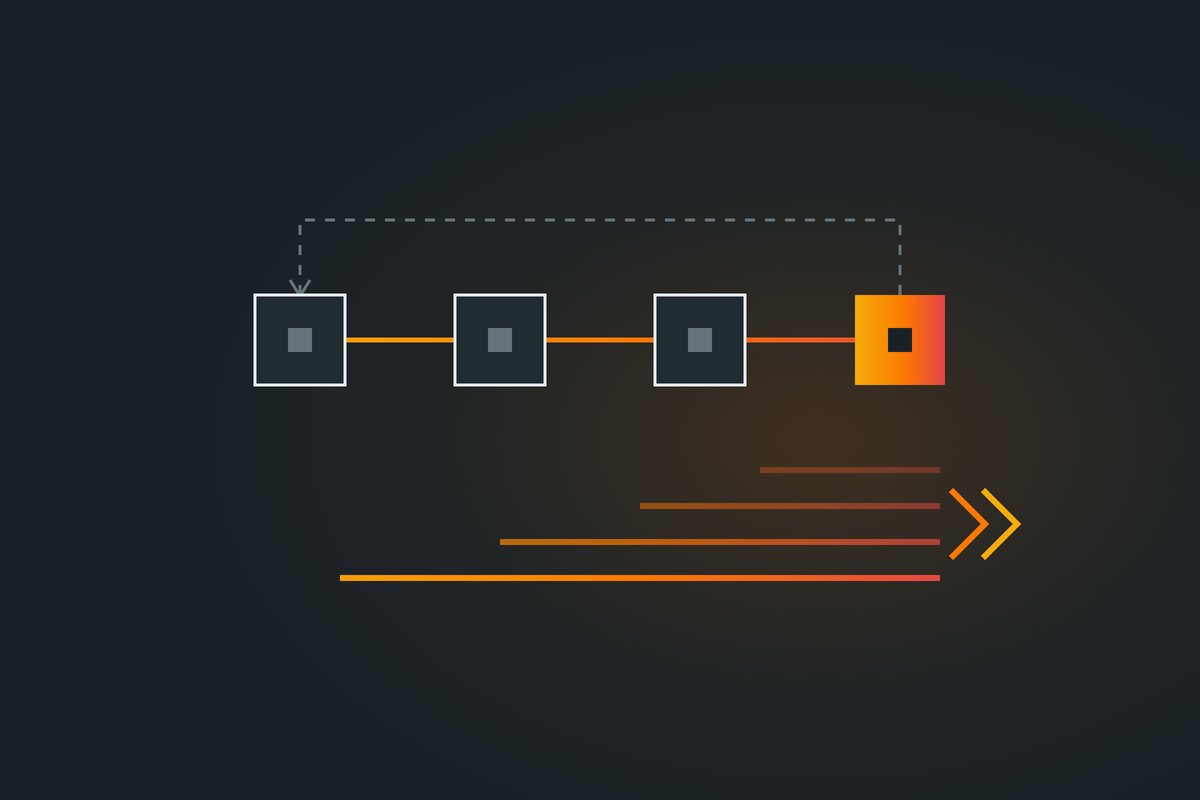 Data AnalyticsDataOps: The Hidden Accelerator for Enterprise AI SuccessWhile organizations pour millions into AI initiatives, many overlook a critical success factor: DataOps. This operational philosophy—applying DevOps principles to data analytics—can mean the differenc...DataFactZ
 Data AnalyticsWhy Enterprises Should Embrace Microsoft Fabric for Unified Analytics and AIIn the complex landscape of enterprise data platforms, Microsoft Fabric emerges as a revolutionary unified analytics platform that promises to transform how organizations handle data, analytics, and A...Krishna Kallakuri
 Artificial IntelligenceVibecoding: How AI-Augmented Development Transforms Enterprise Software DeliveryIn the evolution of software development, we've witnessed paradigm shifts from assembly to high-level languages, from waterfall to agile, and from monoliths to microservices. Today, we stand at the br...Manuel Sobhan
 Artificial IntelligenceA2A Protocol: The Foundation for Enterprise-Scale AI ApplicationsIn the rapidly evolving landscape of enterprise AI, the Agent-to-Agent (A2A) Protocol emerges as a critical framework for building scalable, interoperable AI systems. As organizations deploy multiple ...Rishi Chintapalli
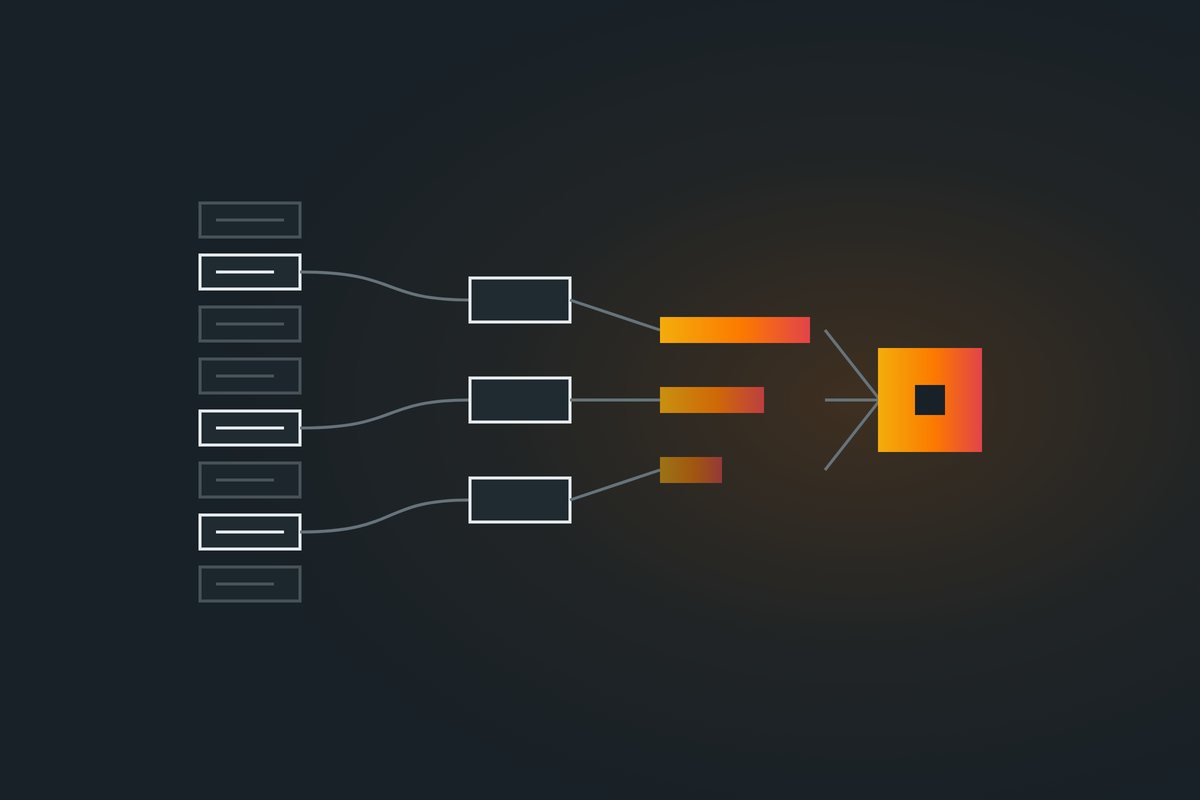 Artificial IntelligenceBeyond Basic RAG: Engineering Production-Grade Retrieval-Augmented Generation for EnterprisesThe proliferation of Large Language Models (LLMs) has led many organizations to believe that implementing Retrieval-Augmented Generation (RAG) is as simple as making an API call to OpenAI or Anthropic...Krishna Kallakuri
 Artificial IntelligenceAI Observability: The Key to Reliable Enterprise AIIn the rapidly evolving landscape of enterprise AI, organizations are increasingly deploying machine learning models to drive critical business decisions. However, as these AI systems become more sophisticated and integral to operations, a crucial challenge emerges: how do you ensure your AI systems are performing as expected?Shashi Joopalli
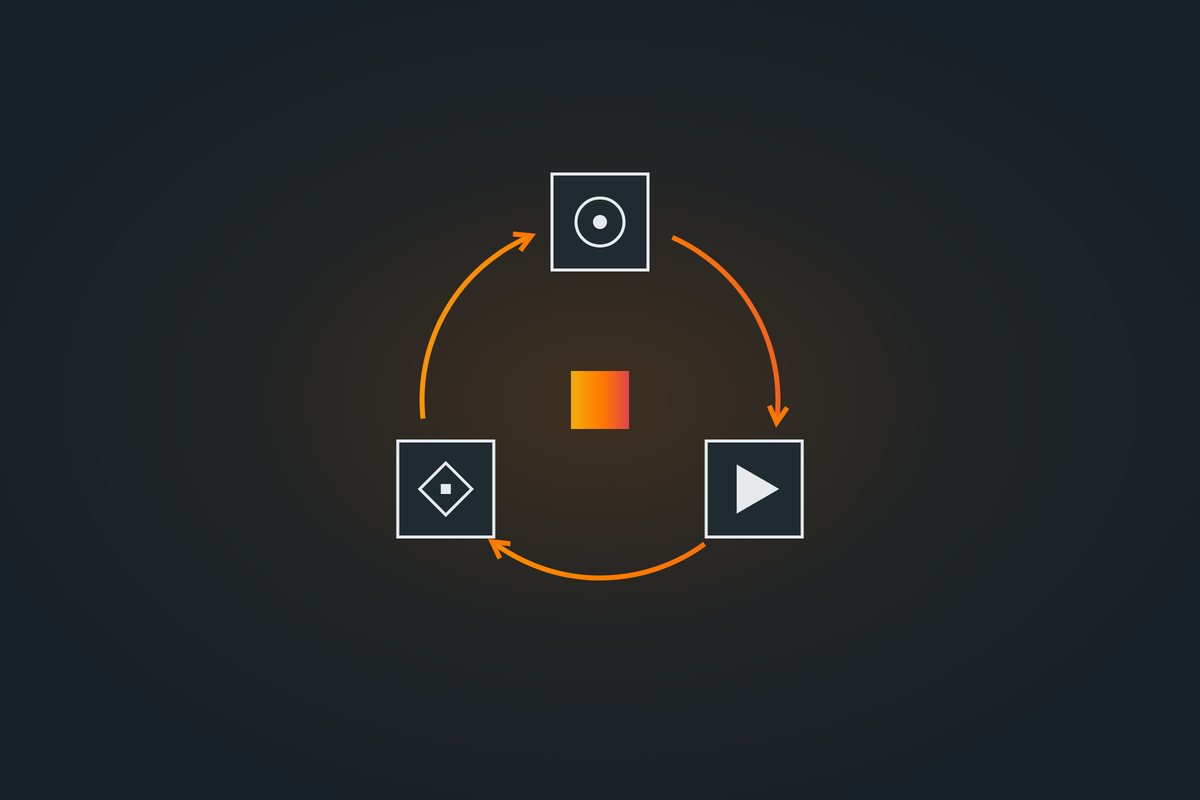 Artificial IntelligenceThe Rise of AI Agents: Transforming Enterprise AutomationThe enterprise landscape is witnessing a paradigm shift with the emergence of AI Agents—autonomous systems that can perceive, reason, and act to achieve specific goals. Unlike traditional automation t...Rishi Chintapalli
 Artificial IntelligenceThe Rise of Generative AI in Enterprise ApplicationsWe're witnessing a seismic shift in how businesses operate. Generative AI has moved beyond experimental curiosity to become a transformative force reshaping entire industries. Companies that embrace this technology are gaining significant competitive advantages, while those that don't risk being left behind.Shashi Joopalli
 Artificial IntelligenceBuilding Ethical AI Systems: A Framework for EnterpriseAs artificial intelligence becomes more pervasive in business operations, organizations face a critical challenge: how do you harness AI's power while ensuring ethical, fair, and responsible outcomes? The answer lies in building comprehensive frameworks that embed ethical principles into every aspect of AI development and deployment.Satya Vuddagiri
 Artificial IntelligenceHow Enterprises Can Benefit from Deploying AI WorkspacesThe business landscape is evolving at an unprecedented pace, driven by artificial intelligence innovations. Among these advancements, AI Workspaces stand out as a transformative tool for enterprises seeking to maintain competitive advantage in the digital economy.DataFactZ
The monthly note
One useful note a month. No fluff.
The best of the Journal, plus what we are seeing across client engagements. Unsubscribe in one click.